Learn how hotel concierge services and AI-powered tools transform guest experiences, boost revenue, and increase satisfaction.




%20(1).png)
Your guests arrive tired from travel. They don't know the city. They have questions about dinner spots, local activities, and how to get around town. Where do they turn?
The concierge desk.
A hotel concierge is far more than someone answering phones. They're your guest's personal problem-solver, travel companion, and local expert all rolled into one. In today's hospitality landscape, concierge services have become essential for any hotel wanting to stand out and keep guests coming back.
This guide breaks down everything you need to know about hotel concierge services, what they do, why they matter, and how modern hotels are using technology to deliver better experiences.
A concierge is a hotel professional dedicated to creating memorable guest experiences outside their room. While receptionists handle check-ins, payments, and administrative tasks, concierges focus entirely on fulfilling guest wishes and solving problems.
Think of them as your guest's personal assistant. They know the city better than anyone on staff. They have relationships with local restaurants, tour operators, transportation services, and entertainment venues. They anticipate guest needs and turn ordinary stays into stories guests tell their friends.
Modern hotels are enhancing this role with technology. Tools like contactless check-in and checkout allow concierges to focus on what they do best: creating memorable experiences rather than handling administrative details.
The front desk team manages operations. They check guests in and out, handle keys and payments, answer basic questions, and coordinate with housekeeping and maintenance. They're the engine that keeps the hotel running smoothly, handling the logistical side of every guest interaction.
The concierge team creates experiences. They book restaurant tables, arrange transportation, find event tickets, plan itineraries, and make special requests happen. They're the hospitality arm that makes guests feel valued and understood.
Here's what sets them apart:
Front Desk Responsibilities:
Concierge Responsibilities:
A concierge needs deeper local knowledge, stronger external relationships, and creative problem-solving ability. They must think on their feet and say yes even when requests seem unusual. A front desk person needs stronger computer skills, organizational abilities, and time management. The roles are complementary but fundamentally different. Some smaller properties train front desk staff to handle concierge duties as part of their role. This works but typically requires dedicated staff to do the job well and provide the level of service that creates memorable guest experiences.
Concierge work covers a broad range of services. Here's what guests typically ask for:
.jpg)
Restaurant and Dining Reservations:
Your guest wants dinner at the hottest restaurant in town. It's fully booked. The concierge calls a contact, explains the situation, and suddenly a table appears. This isn't magic it's relationships built over years with local restaurants. Quality concierges develop strong ties with restaurant managers, chefs, and reservation teams. They understand each restaurant's vibe and can match it to what the guest actually wants. A good concierge asks questions: Where is the guest from? What cuisines do they love? What's the occasion? Are they celebrating an anniversary or closing a business deal? The answers shape the perfect recommendation.
Transportation and Logistics:
Guests need to get around their destination and to/from the airport. Concierges arrange airport transfers, luxury car bookings, flight arrangements, public transportation passes, and parking solutions. They track traffic patterns, know which routes avoid congestion, and have preferred relationships with drivers and services. They ensure guests arrive on time, every time, and have backup options when plans change.
Tours and Activity Planning:
Creating personalized itineraries separates great concierges from average ones. This means understanding what the guest loves to do—adventure, art, food, history, or shopping. It means knowing how much time they have, any physical limitations, budget constraints, and group size. Concierges then book experiences like walking tours, museum tickets, adventure activities, wine tastings, and cooking classes. They coordinate timing so everything flows smoothly and guests feel like the trip was seamlessly orchestrated.
Entertainment and Event Tickets:
Theater shows, concerts, sporting events, local performances—concierges access tickets through venue relationships, box offices, and ticket brokers. They often have access to house tickets not available to the public. Even when shows are sold out, they may find solutions through their network.
Special Requests and Problem-Solving:
requests get creative. Arranging surprise proposals with photographers, booking catering for in-room celebrations, sourcing hard-to-find products, arranging pet services, coordinating emergency services, getting late checkouts approved, arranging spa treatments. The core skill is saying yes even when the request seems impossible. Concierges solve problems by thinking creatively and leveraging their network.
Local Knowledge and Recommendations:
Guests want advice from someone who actually knows the area. Concierges provide neighborhood guides, shopping suggestions, nightlife options, hidden gem restaurants locals love, cultural events, day trip ideas, and seasonal attractions. This knowledge comes from living in or regularly visiting the area. It can't be replicated by guidebooks or Google searches. It's the authentic value a human concierge brings that technology alone struggles to match.
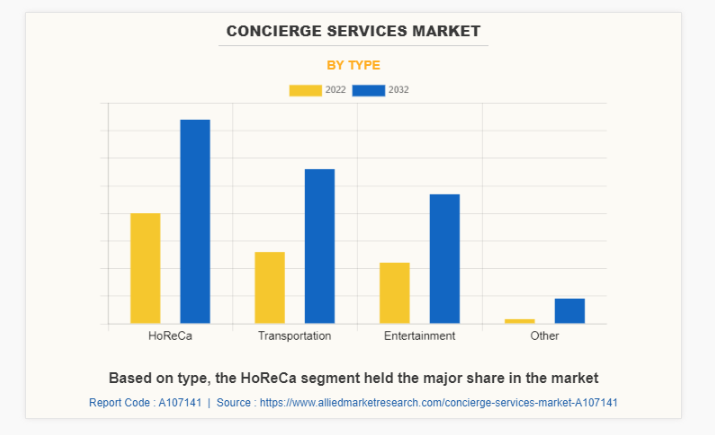
The concierge services market is growing rapidly across the hospitality industry. According to , the HoReCa (Hotels, Restaurants, and Catering) segment holds the major share, demonstrating that hotels recognize concierge services as essential for competitive positioning and revenue generation.
According to research, 89% of hoteliers agree that targeted personalization is one of the most effective ways to improve guest satisfaction and loyalty. Concierges deliver exactly this they personalize every interaction, remember individual preferences, anticipate needs before guests ask, and make each guest feel special.
The result? Higher guest satisfaction scores, better online reviews, and increased repeat bookings. Guests who receive exceptional concierge service often stay again and enthusiastically recommend your hotel to others. They become brand advocates because someone went above and beyond to make their stay memorable. They mention the concierge in reviews and tell friends the story of how their problem was solved.
When a concierge books a restaurant, arranges a spa treatment, or organizes a tour, they're creating upselling opportunities. Research shows 61% of consumers are willing to spend more on personalized experiences. A skilled concierge taps into this by making relevant suggestions at the right time.
For example, a business traveler is offered late checkout. A couple celebrating an anniversary gets a restaurant reservation at a special venue and spa package. Families get activity recommendations that cost extra but create memories. These aren't pushy sales tactics they're helpful suggestions that actually enhance the stay. Guests appreciate good recommendations from someone they trust. When the concierge suggests something, guests listen because they know the person understands their interests and the suggestion will enhance their experience.
A guest has a problem. The restaurant they wanted is closed. The tour they booked isn't running. The transportation fell through unexpectedly.
Without a concierge, guests fume, feel frustrated, and often leave bad reviews or negative social media posts. With a concierge, the problem becomes an opportunity to delight the guest. The concierge finds an alternative restaurant that's even better than the original. They arrange a different tour or activity the guest ends up loving more. They solve it so well the guest feels grateful instead of frustrated, and may mention the concierge's helpfulness in their review.
This transforms negative situations into positive memories and builds genuine loyalty. Tools like hospitality review management help hotels monitor feedback, but the concierge is the first line of defense in preventing issues from becoming reviews in the first place.
In crowded markets, what makes one hotel stand out from dozens of competitors?
Not room quality. Most hotels at the same price point have similar rooms. Not amenities. Everyone has gyms, pools, and business centers. Properties in the same market often have nearly identical physical offerings.
It's the service experience. It's whether someone on staff genuinely cares enough to help the guest have the best possible stay. It's the personal touch that turns a transactional hotel stay into a memorable experience.According to Sabré Hospitality's 2025 trends report,personalized service and guest experience differentiation are key revenue drivers for hotels competing in crowded markets.
A good concierge is that differentiator. Hotels with great concierge services get chosen over competitors, charge premium rates without resistance, fill more rooms during slow periods, and build reputations for genuine hospitality. The guest experience is ultimately what separates hotels in a commoditized market. Concierge services are one of the most powerful ways to create that meaningful differentiation.
For decades, concierge services meant one thing: a person at a desk with a phone.
That model has limitations:
Modern hotels are solving these problems with digital solutions. Understanding digital concierge solutions is essential for any hotel wanting to stay competitive in 2025.
A digital concierge is a virtual system that handles guest requests through mobile apps, messaging platforms, or in-room devices. These systems combine artificial intelligence with hotel knowledge bases to provide 24/7 guest support. They're always available, never tired, and never need vacation days.
The best digital concierges use AI-powered chatbots that:
Modern guest communication tools are transforming how hotels serve guests by removing barriers to communication. Guests can message through their preferred channel instead of calling. Research from Oracle shows that AI-enabled concierge services reduce calls to human concierge desks by 35% or more at leading hotel brands. In hotels where AI concierge systems are implemented, an average of 70% of guest requests are handled automatically without human intervention. This means fewer phone calls to manage, shorter wait times for guests, and hotel staff freed up to handle complex situations that require human creativity and empathy.
The best concierge services combine human and digital elements:
AI handles routine requests:
Humans handle complex needs:
This hybrid model works because it plays to the strengths of each. Machines excel at speed, availability, and processing large volumes. Humans excel at creativity, empathy, and genuine problem-solving.
According to research, 86% of hoteliers who implement AI in guest services report improved employee satisfaction. Why? Because AI removes tedious work, freeing staff to do work that's more engaging and rewarding. When your concierge isn't answering "What time is the gym open?" for the hundredth time, they can focus on making guests feel special. That's more fulfilling work.
Not every hotel needs a full-time concierge desk. The right approach depends on your property type, size, and guest base.
Best for: Luxury hotels, large properties, hotels in complex urban locations
A full-time concierge works morning to evening shifts, building relationships with local businesses and developing deep knowledge of the area. Recruiting a quality concierge means looking for local market knowledge, strong communication skills, problem-solving mindset, and existing relationships in the city.
Best for: Small hotels, boutique properties, limited-service hotels
You can train your front desk team to handle concierge responsibilities as part of their role. Create a local recommendations guide covering restaurants, attractions, transportation, and entertainment. Develop relationships with 5-10 key local businesses. Train staff on matching guest profiles to recommendations.
Best for: All hotels, especially those wanting 24/7 coverage without massive staffing
Digital concierge platforms automate routine requests while integrating with your staff. You can implement this as your only concierge service, supplement human concierges, or use it as a trial before hiring dedicated staff.
The best platforms offer PMS integration so the concierge can check room status and guest preferences automatically. They offer multilingual support so international guests get help in their preferred language. They allow messaging via WhatsApp, SMS, your hotel app, or Facebook Messenger.
Track these metrics:
Here's what the numbers show:
Even a small hotel can justify the investment. Most hotels should have at least some form of concierge service—whether human, digital, or hybrid—in today's market.
Different guests need different things:
Business Travelers: Fast restaurant reservations, airport transportation, late checkout, dry cleaning rush services, business center support
Leisure Couples and Families: Restaurant recommendations based on preferences, activity and attraction suggestions, family-friendly dining, celebration coordination, local shopping recommendations
International Travelers: Language interpretation services, currency information, local customs guidance, transportation they can understand, restaurant information about ingredients and allergies
Extended Stay Guests: Apartment-style service recommendations, local community activities, gym and fitness information, casual dining spots locals use, coworking space recommendations
The trend is clear: more personalization, more technology integration, and more expectation that hotels will help guests have the best possible experience. As hotels compete harder for guests, differentiating through service becomes more important.
AI and automation will continue improving. Concierges will use AI for routine requests, leaving humans free for what they do best: understanding what guests really need and solving problems creatively.
For hoteliers, the message is simple: invest in concierge services now. Whether you build a team of humans, implement digital solutions, or use a hybrid approach, your guests expect help planning and enjoying their stays.
Hotels that deliver this service will stand out. They'll get better reviews, charge premium rates, and build loyal guests who return again and again.
Ready to improve concierge services? Here's how to start:
Step 1: Assess Your Current State
Step 2: Set Goals
Step 3: Choose Your Approach Based on your property size, budget, and guest expectations, decide whether you'll hire dedicated staff, train front desk staff, or implement digital solutions.
Step 4: Implement and Measure Start small. Get one thing right before scaling. Measure religiously. Track guest satisfaction, revenue, repeat bookings, and review scores. Don't guess—measure.
Step 5: Iterate and Improve Use what you learn to improve. If guests love restaurant recommendations but ignore activity suggestions, focus more on food recommendations. Concierge services improve with practice.
In an industry where hotel rooms are increasingly similar, where booking sites commodify availability, and where price competition drives down margins, concierge services are one of the few ways hotels can create genuine differentiation.
Guests remember great service. They forget average rooms.
A concierge who solves their problem creatively, remembers their preferences, and anticipates their needs creates a relationship. That relationship turns one-time visitors into loyal repeat guests.
In the modern hotel business, that relationship is your competitive advantage.


Learn how hotel concierge services and AI-powered tools transform guest experiences, boost revenue, and increase satisfaction.
Your guests arrive tired from travel. They don't know the city. They have questions about dinner spots, local activities, and how to get around town. Where do they turn?
The concierge desk.
A hotel concierge is far more than someone answering phones. They're your guest's personal problem-solver, travel companion, and local expert all rolled into one. In today's hospitality landscape, concierge services have become essential for any hotel wanting to stand out and keep guests coming back.
This guide breaks down everything you need to know about hotel concierge services, what they do, why they matter, and how modern hotels are using technology to deliver better experiences.
A concierge is a hotel professional dedicated to creating memorable guest experiences outside their room. While receptionists handle check-ins, payments, and administrative tasks, concierges focus entirely on fulfilling guest wishes and solving problems.
Think of them as your guest's personal assistant. They know the city better than anyone on staff. They have relationships with local restaurants, tour operators, transportation services, and entertainment venues. They anticipate guest needs and turn ordinary stays into stories guests tell their friends.
Modern hotels are enhancing this role with technology. Tools like contactless check-in and checkout allow concierges to focus on what they do best: creating memorable experiences rather than handling administrative details.
The front desk team manages operations. They check guests in and out, handle keys and payments, answer basic questions, and coordinate with housekeeping and maintenance. They're the engine that keeps the hotel running smoothly, handling the logistical side of every guest interaction.
The concierge team creates experiences. They book restaurant tables, arrange transportation, find event tickets, plan itineraries, and make special requests happen. They're the hospitality arm that makes guests feel valued and understood.
Here's what sets them apart:
Front Desk Responsibilities:
Concierge Responsibilities:
A concierge needs deeper local knowledge, stronger external relationships, and creative problem-solving ability. They must think on their feet and say yes even when requests seem unusual. A front desk person needs stronger computer skills, organizational abilities, and time management. The roles are complementary but fundamentally different. Some smaller properties train front desk staff to handle concierge duties as part of their role. This works but typically requires dedicated staff to do the job well and provide the level of service that creates memorable guest experiences.
Concierge work covers a broad range of services. Here's what guests typically ask for:
Restaurant and Dining Reservations:
Your guest wants dinner at the hottest restaurant in town. It's fully booked. The concierge calls a contact, explains the situation, and suddenly a table appears. This isn't magic it's relationships built over years with local restaurants. Quality concierges develop strong ties with restaurant managers, chefs, and reservation teams. They understand each restaurant's vibe and can match it to what the guest actually wants. A good concierge asks questions: Where is the guest from? What cuisines do they love? What's the occasion? Are they celebrating an anniversary or closing a business deal? The answers shape the perfect recommendation.
Transportation and Logistics:
Guests need to get around their destination and to/from the airport. Concierges arrange airport transfers, luxury car bookings, flight arrangements, public transportation passes, and parking solutions. They track traffic patterns, know which routes avoid congestion, and have preferred relationships with drivers and services. They ensure guests arrive on time, every time, and have backup options when plans change.
Tours and Activity Planning:
Creating personalized itineraries separates great concierges from average ones. This means understanding what the guest loves to do—adventure, art, food, history, or shopping. It means knowing how much time they have, any physical limitations, budget constraints, and group size. Concierges then book experiences like walking tours, museum tickets, adventure activities, wine tastings, and cooking classes. They coordinate timing so everything flows smoothly and guests feel like the trip was seamlessly orchestrated.
Entertainment and Event Tickets:
Theater shows, concerts, sporting events, local performances—concierges access tickets through venue relationships, box offices, and ticket brokers. They often have access to house tickets not available to the public. Even when shows are sold out, they may find solutions through their network.
Special Requests and Problem-Solving:
requests get creative. Arranging surprise proposals with photographers, booking catering for in-room celebrations, sourcing hard-to-find products, arranging pet services, coordinating emergency services, getting late checkouts approved, arranging spa treatments. The core skill is saying yes even when the request seems impossible. Concierges solve problems by thinking creatively and leveraging their network.
Local Knowledge and Recommendations:
Guests want advice from someone who actually knows the area. Concierges provide neighborhood guides, shopping suggestions, nightlife options, hidden gem restaurants locals love, cultural events, day trip ideas, and seasonal attractions. This knowledge comes from living in or regularly visiting the area. It can't be replicated by guidebooks or Google searches. It's the authentic value a human concierge brings that technology alone struggles to match.
The concierge services market is growing rapidly across the hospitality industry. According to , the HoReCa (Hotels, Restaurants, and Catering) segment holds the major share, demonstrating that hotels recognize concierge services as essential for competitive positioning and revenue generation.
According to research, 89% of hoteliers agree that targeted personalization is one of the most effective ways to improve guest satisfaction and loyalty. Concierges deliver exactly this they personalize every interaction, remember individual preferences, anticipate needs before guests ask, and make each guest feel special.
The result? Higher guest satisfaction scores, better online reviews, and increased repeat bookings. Guests who receive exceptional concierge service often stay again and enthusiastically recommend your hotel to others. They become brand advocates because someone went above and beyond to make their stay memorable. They mention the concierge in reviews and tell friends the story of how their problem was solved.
When a concierge books a restaurant, arranges a spa treatment, or organizes a tour, they're creating upselling opportunities. Research shows 61% of consumers are willing to spend more on personalized experiences. A skilled concierge taps into this by making relevant suggestions at the right time.
For example, a business traveler is offered late checkout. A couple celebrating an anniversary gets a restaurant reservation at a special venue and spa package. Families get activity recommendations that cost extra but create memories. These aren't pushy sales tactics they're helpful suggestions that actually enhance the stay. Guests appreciate good recommendations from someone they trust. When the concierge suggests something, guests listen because they know the person understands their interests and the suggestion will enhance their experience.
A guest has a problem. The restaurant they wanted is closed. The tour they booked isn't running. The transportation fell through unexpectedly.
Without a concierge, guests fume, feel frustrated, and often leave bad reviews or negative social media posts. With a concierge, the problem becomes an opportunity to delight the guest. The concierge finds an alternative restaurant that's even better than the original. They arrange a different tour or activity the guest ends up loving more. They solve it so well the guest feels grateful instead of frustrated, and may mention the concierge's helpfulness in their review.
This transforms negative situations into positive memories and builds genuine loyalty. Tools like hospitality review management help hotels monitor feedback, but the concierge is the first line of defense in preventing issues from becoming reviews in the first place.
In crowded markets, what makes one hotel stand out from dozens of competitors?
Not room quality. Most hotels at the same price point have similar rooms. Not amenities. Everyone has gyms, pools, and business centers. Properties in the same market often have nearly identical physical offerings.
It's the service experience. It's whether someone on staff genuinely cares enough to help the guest have the best possible stay. It's the personal touch that turns a transactional hotel stay into a memorable experience.According to Sabré Hospitality's 2025 trends report,personalized service and guest experience differentiation are key revenue drivers for hotels competing in crowded markets.
A good concierge is that differentiator. Hotels with great concierge services get chosen over competitors, charge premium rates without resistance, fill more rooms during slow periods, and build reputations for genuine hospitality. The guest experience is ultimately what separates hotels in a commoditized market. Concierge services are one of the most powerful ways to create that meaningful differentiation.
For decades, concierge services meant one thing: a person at a desk with a phone.
That model has limitations:
Modern hotels are solving these problems with digital solutions. Understanding digital concierge solutions is essential for any hotel wanting to stay competitive in 2025.
A digital concierge is a virtual system that handles guest requests through mobile apps, messaging platforms, or in-room devices. These systems combine artificial intelligence with hotel knowledge bases to provide 24/7 guest support. They're always available, never tired, and never need vacation days.
The best digital concierges use AI-powered chatbots that:
Modern guest communication tools are transforming how hotels serve guests by removing barriers to communication. Guests can message through their preferred channel instead of calling. Research from Oracle shows that AI-enabled concierge services reduce calls to human concierge desks by 35% or more at leading hotel brands. In hotels where AI concierge systems are implemented, an average of 70% of guest requests are handled automatically without human intervention. This means fewer phone calls to manage, shorter wait times for guests, and hotel staff freed up to handle complex situations that require human creativity and empathy.
The best concierge services combine human and digital elements:
AI handles routine requests:
Humans handle complex needs:
This hybrid model works because it plays to the strengths of each. Machines excel at speed, availability, and processing large volumes. Humans excel at creativity, empathy, and genuine problem-solving.
According to research, 86% of hoteliers who implement AI in guest services report improved employee satisfaction. Why? Because AI removes tedious work, freeing staff to do work that's more engaging and rewarding. When your concierge isn't answering "What time is the gym open?" for the hundredth time, they can focus on making guests feel special. That's more fulfilling work.
Not every hotel needs a full-time concierge desk. The right approach depends on your property type, size, and guest base.
Best for: Luxury hotels, large properties, hotels in complex urban locations
A full-time concierge works morning to evening shifts, building relationships with local businesses and developing deep knowledge of the area. Recruiting a quality concierge means looking for local market knowledge, strong communication skills, problem-solving mindset, and existing relationships in the city.
Best for: Small hotels, boutique properties, limited-service hotels
You can train your front desk team to handle concierge responsibilities as part of their role. Create a local recommendations guide covering restaurants, attractions, transportation, and entertainment. Develop relationships with 5-10 key local businesses. Train staff on matching guest profiles to recommendations.
Best for: All hotels, especially those wanting 24/7 coverage without massive staffing
Digital concierge platforms automate routine requests while integrating with your staff. You can implement this as your only concierge service, supplement human concierges, or use it as a trial before hiring dedicated staff.
The best platforms offer PMS integration so the concierge can check room status and guest preferences automatically. They offer multilingual support so international guests get help in their preferred language. They allow messaging via WhatsApp, SMS, your hotel app, or Facebook Messenger.
Track these metrics:
Here's what the numbers show:
Even a small hotel can justify the investment. Most hotels should have at least some form of concierge service—whether human, digital, or hybrid—in today's market.
Different guests need different things:
Business Travelers: Fast restaurant reservations, airport transportation, late checkout, dry cleaning rush services, business center support
Leisure Couples and Families: Restaurant recommendations based on preferences, activity and attraction suggestions, family-friendly dining, celebration coordination, local shopping recommendations
International Travelers: Language interpretation services, currency information, local customs guidance, transportation they can understand, restaurant information about ingredients and allergies
Extended Stay Guests: Apartment-style service recommendations, local community activities, gym and fitness information, casual dining spots locals use, coworking space recommendations
The trend is clear: more personalization, more technology integration, and more expectation that hotels will help guests have the best possible experience. As hotels compete harder for guests, differentiating through service becomes more important.
AI and automation will continue improving. Concierges will use AI for routine requests, leaving humans free for what they do best: understanding what guests really need and solving problems creatively.
For hoteliers, the message is simple: invest in concierge services now. Whether you build a team of humans, implement digital solutions, or use a hybrid approach, your guests expect help planning and enjoying their stays.
Hotels that deliver this service will stand out. They'll get better reviews, charge premium rates, and build loyal guests who return again and again.
Ready to improve concierge services? Here's how to start:
Step 1: Assess Your Current State
Step 2: Set Goals
Step 3: Choose Your Approach Based on your property size, budget, and guest expectations, decide whether you'll hire dedicated staff, train front desk staff, or implement digital solutions.
Step 4: Implement and Measure Start small. Get one thing right before scaling. Measure religiously. Track guest satisfaction, revenue, repeat bookings, and review scores. Don't guess—measure.
Step 5: Iterate and Improve Use what you learn to improve. If guests love restaurant recommendations but ignore activity suggestions, focus more on food recommendations. Concierge services improve with practice.
In an industry where hotel rooms are increasingly similar, where booking sites commodify availability, and where price competition drives down margins, concierge services are one of the few ways hotels can create genuine differentiation.
Guests remember great service. They forget average rooms.
A concierge who solves their problem creatively, remembers their preferences, and anticipates their needs creates a relationship. That relationship turns one-time visitors into loyal repeat guests.
In the modern hotel business, that relationship is your competitive advantage.
A hotel concierge is a service professional who helps guests with requests and experiences during their stay. They make restaurant and transportation reservations, provide local recommendations, arrange entertainment, plan itineraries, and solve special requests.
Concierge services increase guest satisfaction, build loyalty, generate revenue through upselling, reduce guest complaints, and differentiate your hotel from competitors.
A virtual front desk focuses on check-in/check-out operations. A digital concierge focuses on enriching the guest experience through recommendations, reservations, and service requests. Virtual front desks are transactional. Digital concierges are relational.
Yes. Small hotels can hire part-time concierges, train existing staff, or implement affordable digital solutions like Guestara.
Concierges personalize service, anticipate needs, solve problems quickly, offer relevant recommendations, and build relationships. They make guests feel valued and understood, transforming ordinary stays into memorable experiences.
We work closely with the industry leaders to offer seamless solutions




We’re here to help your whole team stay ahead of the curve as you grow.

Get up and running quickly with a personalized onboarding plan

Connect with real people who really get it, 24/7

Checkout our vast library of free resources, templates and more
There's only so much we can say — so let us show you! Schedule a demo today and reach your business goals.


.png)